FIFA World Cup 2026 and Real Estate: Who Will Benefit?
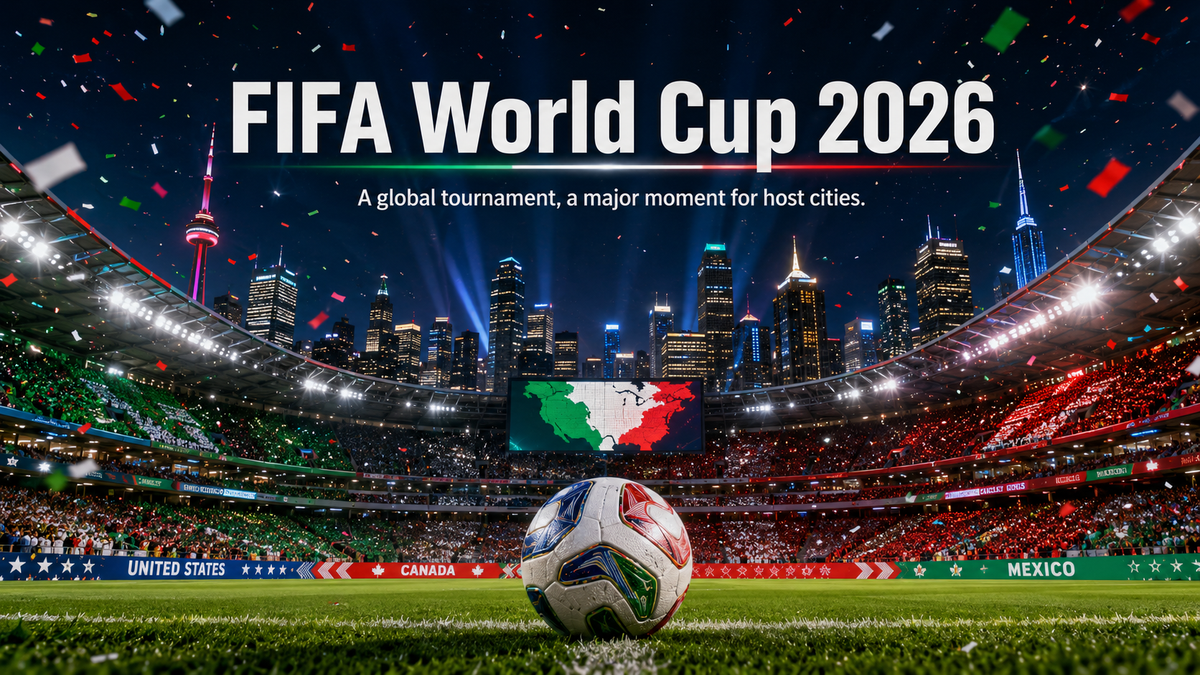
The FIFA World Cup 2026 is not just a sports event. It is also a major opportunity for real estate.
For a few weeks, host cities across the United States, Canada, and Mexico will welcome millions of fans, tourists, media teams, sponsors, and event workers. All of these people will need places to stay, eat, shop, travel, and gather. That is where real estate comes in. Hotels will likely see the first major impact. Properties near stadiums, airports, downtown areas, and public transportation may experience higher demand during the tournament. Short-term rentals may also benefit, especially for families and groups traveling together. Homes and apartments in convenient locations could see more bookings and higher nightly rates. However, this opportunity may be temporary. Once the tournament ends, demand could return to normal.
Fans do not only attend matches. They also spend money before and after games. Restaurants, bars, coffee shops, retail stores, and entertainment spaces near stadiums and fan zones could see strong foot traffic. Walkable areas with food, shopping, and nightlife may benefit the most because fans will want places to spend time outside the stadium. For landlords, this could create a short-term sales boost for tenants and more attention for well-located retail corridors. During a major event like the World Cup, convenience becomes extremely important. Properties near train stations, airports, shuttle routes, and downtown areas may become more attractive because fans want easy access. A hotel or apartment near reliable transportation can be much more valuable during a global event. This also shows why transit-oriented real estate continues to matter. Good access can turn a location into a stronger investment.
The World Cup may not directly change apartment values, but it can still influence multifamily real estate. Some owners may try to earn short-term rental income during the tournament. At the same time, cities will need to protect housing affordability for local residents. This creates an important balance: host cities want tourism income, but they also need to make sure local housing does not become more expensive or less available. The World Cup can bring attention, spending, and excitement. But one event alone does not permanently change a real estate market. Long-term value still depends on job growth, population growth, infrastructure, safety, affordability, and overall demand. The cities that benefit most will be the ones that use the World Cup as more than a temporary event. If they improve transportation, support local businesses, and create a great visitor experience, the tournament could help attract future tourism, investment, and development.
The FIFA World Cup 2026 will affect real estate by creating short-term demand and global attention. Hotels, short-term rentals, restaurants, retail spaces, and transit-connected properties may see the biggest benefits. But investors should stay realistic. The World Cup can create momentum, but strong real estate markets are built on long-term fundamentals.
In the end, the tournament is not just about soccer. It is about how cities perform on a global stage and whether they can turn that attention into lasting real estate value.